
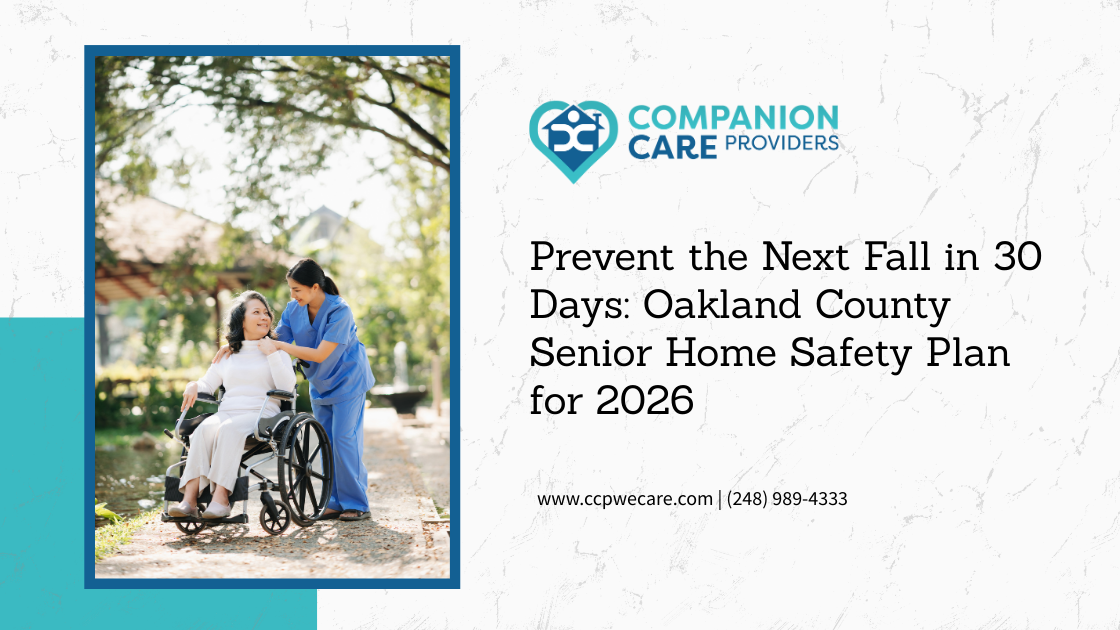
Falls often happen quietly inside familiar spaces. Across Oakland County homes, layouts, routines, and seasonal changes increase fall risks without warning. This senior home safety plan outlines a practical 30-day path to reduce those risks while supporting safer daily living through structured actions and local care support.
Building a Safer Home Starts With a Clear Safety Framework
A senior home safety plan is most effective when safety decisions follow a connected structure rather than isolated fixes. This framework links risk awareness, physical adjustments, and daily habits into a system that supports consistent safety. By connecting these elements early, later steps feel purposeful instead of reactive.
- Risk awareness: Identifies where and why falls are most likely to happen inside commonly used areas based on real daily movement
- Home adjustments: Aligns safety improvements with how each space is actually used rather than how it appears
- Routine integration: Ensures safety measures support movement and balance instead of interrupting normal activities
This framework naturally leads to understanding how local living conditions affect fall risks.
Why Local Living Conditions Shape Fall Risks in Oakland County
Fall prevention strategies must reflect where people live. Oakland County homes often include multi-level designs and weather-related challenges that directly influence indoor safety. Recognizing these local conditions makes safety planning more realistic and effective.
- Multi-level layouts: Basements, split levels, and staircases increase fall exposure without consistent support
- Seasonal transitions: Snow, ice, and wet footwear raise indoor slipping risks during Michigan winters
- Healthcare impact: Falls frequently lead to emergency visits that disrupt routines and long-term independence
With local risks in mind, identifying specific in-home danger areas becomes the next priority.
Where Falls Most Often Occur Inside the Home
Falls rarely happen in unexpected places. They occur where daily movement feels routine, which is why these areas are often overlooked during safety planning. Understanding these locations helps prioritize meaningful changes.
- Bathrooms: Moist surfaces and limited support challenge balance during bathing and dressing
- Stairways: Poor lighting and unstable railings increase instability during transitions between floors
- Walkways: Clutter, cords, and furniture placement create unexpected tripping hazards
Once risks are clearly identified, structured action becomes easier to implement.
Structuring Fall Prevention Into a 30-Day Safety Plan
Breaking fall prevention into weekly stages keeps progress steady without overwhelming households. Each phase builds logically on the last, creating habits that last beyond the initial plan. This structure supports both immediate improvements and long-term safety.
Week One Creating Awareness Through Home Observation
The first week focuses on awareness instead of physical changes. Observing how the home is used daily ensures later improvements address real risks rather than assumptions. This stage guides every decision that follows.
- Room-by-room reviews: Examines bedrooms, kitchens, bathrooms, and hallways based on daily use
- Lighting awareness: Identifies low-visibility areas that affect balance and depth perception
- Movement patterns: Observes how standing, walking, and turning influence stability
Clear observations make environmental changes more effective.
Week Two Reducing Environmental Fall Hazards
Week two addresses physical conditions that contribute most to falls. These changes directly improve stability and visibility throughout the home.
Environmental improvements create immediate risk reduction.
- Floor stability: Secures rugs and corrects uneven surfaces that commonly cause tripping
- Support features: Adds grab bars and railings in high-use areas where balance is challenged
- Lighting upgrades: Improves visibility during early mornings, evenings, and overnight movement
With the environment safer, daily habits become the next focus.
Week Three Strengthening Safety Through Daily Habits
Even well-designed homes rely on consistent routines. This phase connects safety improvements with behaviors that influence balance, awareness, and confidence. Habits help sustain progress.
- Footwear choices: Encourage non-slip shoes indoors to improve traction on smooth surfaces
- Medication monitoring: Addresses side effects that may affect balance or alertness
- Pathway maintenance: Keeps walking areas clear throughout the day to reduce trip risks
Long-term success depends on continued oversight.
Week Four Maintaining Safety With Ongoing Support
Safety needs change as mobility and health evolve. This final stage focuses on maintaining progress and adjusting the plan when needed. Support systems help prevent setbacks.
- Regular check-ins: Reviews high-risk areas weekly to catch new hazards early
- Care coordination: Aligns routines with professional in-home support when needed
- Plan refinement: Adjusts safety strategies based on changing physical needs
At this point, choosing the right type of support becomes critical.
Balancing Family Help and Professional Fall Prevention Care
Different support options offer different levels of structure and oversight. Understanding these differences helps families make informed decisions. Many households benefit from combining approaches.
- Family involvement: Provides familiarity but often lacks formal safety training
- Professional assistance: Adds structured monitoring through Senior Care services that support daily safety routines Targeted support: Addresses mobility and balance needs through Specialized Care services
Support choices also influence overall planning costs.
Planning for Costs While Improving Home Safety
Fall prevention costs vary depending on home layout and care needs. Understanding these factors helps families plan without delaying action. Clear expectations reduce uncertainty.
- Home design complexity: Multi-level homes often require additional safety modifications
- Safety equipment needs: Grab bars, ramps, and lighting upgrades affect expenses
- Care involvement: Ongoing in-home support adds structured oversight and monitoring
The right tools help maximize these investments.
Tools That Support Consistent Fall Prevention
Simple tools reinforce safety efforts and improve accountability. These resources support both families and professional caregivers. They help track progress over time.
- Safety checklists: Guide regular home evaluations and documentation
- Mobility aids: Support balance during daily movement and transitions
- Care routines: Document safety practices to maintain consistency
Avoiding common mistakes keeps these tools effective.
Missteps That Can Undermine Even Good Safety Plans
Even strong plans can fail if key steps are overlooked. Recognizing common missteps helps maintain effectiveness. Consistency remains essential.
- Delayed improvements: Waiting increases exposure to preventable fall risks
- Partial solutions: Fixing one area leaves hazards elsewhere in the home
- Skipped reassessments: Ignoring changes in mobility reduces long-term protection
Local examples show how these challenges appear in real homes.
Everyday Fall Prevention Challenges in Oakland County Homes
Local housing patterns influence how fall risks develop. These examples reflect common situations seen across Oakland County. They reinforce the importance of localized planning.
- Older home layouts: Narrow hallways and staircases require additional support features
- Seasonal footwear changes: Entryway safety shifts throughout the year
- Shared living spaces: Increased clutter raises tripping risks
Best practices bring these lessons together.
Long-Term Practices That Keep Homes Safer Over Time
Sustainable safety depends on proactive habits rather than reactive fixes. These practices connect every previous step into a long-term approach. Consistency strengthens outcomes.
- Routine evaluations: Schedule regular safety reviews throughout the year
- Professional involvement: Use in-home care services for monitoring and guidance
- Clear communication: Align families and caregivers around shared safety goals
Local resources support these practices.
Accessing Local Fall Prevention Support and Care Services
Local care availability strengthens home safety planning. Companion Care Providers LLC supports households across Oakland County and surrounding areas. Local access improves continuity.
- Service coverage: Available across Oakland, Wayne, and Macomb counties through the service areas served
- In-home assistance: Supports safer daily routines and mobility needs
- Educational resources: Ongoing guidance available through the home care blog resources
Families often have questions before moving forward.
Common Questions Families Ask About Home Safety Planning
Families often seek reassurance before committing to safety changes or care services. These answers address practical concerns while connecting readers to helpful resources.
How often should a senior home safety plan be reviewed?
Plans should be reassessed every six months or after health changes, especially when supported by professional Senior Care services.
Does professional home care help reduce fall risks?
Yes. Structured oversight through Specialized Care services improves consistency and safety awareness.
Can fall prevention reduce emergency hospital visits?
Consistent planning, combined with in-home care, significantly reduces the risk of fall-related injuries.
Get Trusted Home Safety and Care Support From Companion Care Providers LLC
Fall prevention becomes more effective when safety planning is supported by reliable in-home care. Structured assistance helps maintain safer routines without disrupting daily life.
Companion Care Providers LLC serves Oakland, Wayne, and Macomb Counties with in-home care services designed to support mobility, safety, and consistency.
📍 Address: 801 West Big Beaver Road, Suite 300, Troy, MI 48084
📞 Call: (248) 989-4333 to discuss home safety and care options
📧 Email: info@ccpwecare.com
🌐 Explore care services: Contact Companion Care Providers LLC